
The owner’s judgement call
What is normal, what is not, and when it is worth a vet visit.
Plain-language guides to everyday dog and cat care for owners — pet health, breeds, feeding, puppy and kitten basics, common vet questions, and grooming.
The everyday read
- Eating, drinking and toileting the way they normally do.
- Sleeping a lot — cats especially — but rousing normally and greeting you.
- One bout of vomiting or a loose stool, then back to normal energy and appetite.
- A dog panting after exercise or heat, settling once it rests somewhere cool.
- Occasional scratching, head-shaking or licking that stops on its own.
- A sign that keeps going or keeps coming back instead of settling.
- Off food, or drinking noticeably more than usual.
- Limping that does not ease, or a leg they will not put weight on.
- An eye held shut, watering or cloudy.
- A new lump, a wound, or skin licked raw.
- A cat that stops grooming, hides, or sits hunched — cats mask pain, so quiet can mean unwell.
When to call a vet
Three steps, in order. If a sign appears in more than one step, treat it as the higher one.
- One vomit or loose stool, then normal energy, appetite and drinking.
- A single skipped meal in an otherwise bright, playful animal.
- Mild itching with no broken skin, no smell and no hair loss.
- A sneeze or two with clear eyes and a normal appetite.
- Signs that persist or return rather than settling.
- Off food, or noticeably thirstier than usual.
- Limping, an eye held shut, a new lump, or an ear that smells or is shaken constantly.
- Weight you can feel coming off through the ribs and spine.
- Any change at all in a very young, very old, pregnant or already-unwell animal.
- Difficulty breathing, choking, or gums that look pale, blue or grey.
- Collapse, a seizure, or an animal you cannot rouse.
- Cat A male cat straining in the litter tray without producing urine.
- Dog A swollen, tight belly with restlessness and retching that brings nothing up.
- Known or suspected poisoning — chocolate, grapes and raisins, xylitol, antifreeze, human medication, or lilies for cats.
- Dog Heatstroke: collapse, confusion, or heavy panting that does not settle as the dog cools.
- Heavy bleeding, a road accident, or a fall from height.
Latest guide

How Much Does a Norwegian Forest Cat Cost?
Budget $800–$1,800 for a pet-quality breeder kitten or $75–$300 for adoption, with setup, ongoing care and other expenses calculated separately.
Della Ruiz · September 11, 2026More guides

Microchip Registration vs Paid Membership: Need Both?
You do not necessarily need both. The priority is a scannable chip connected to an accurate, discoverable registry record.
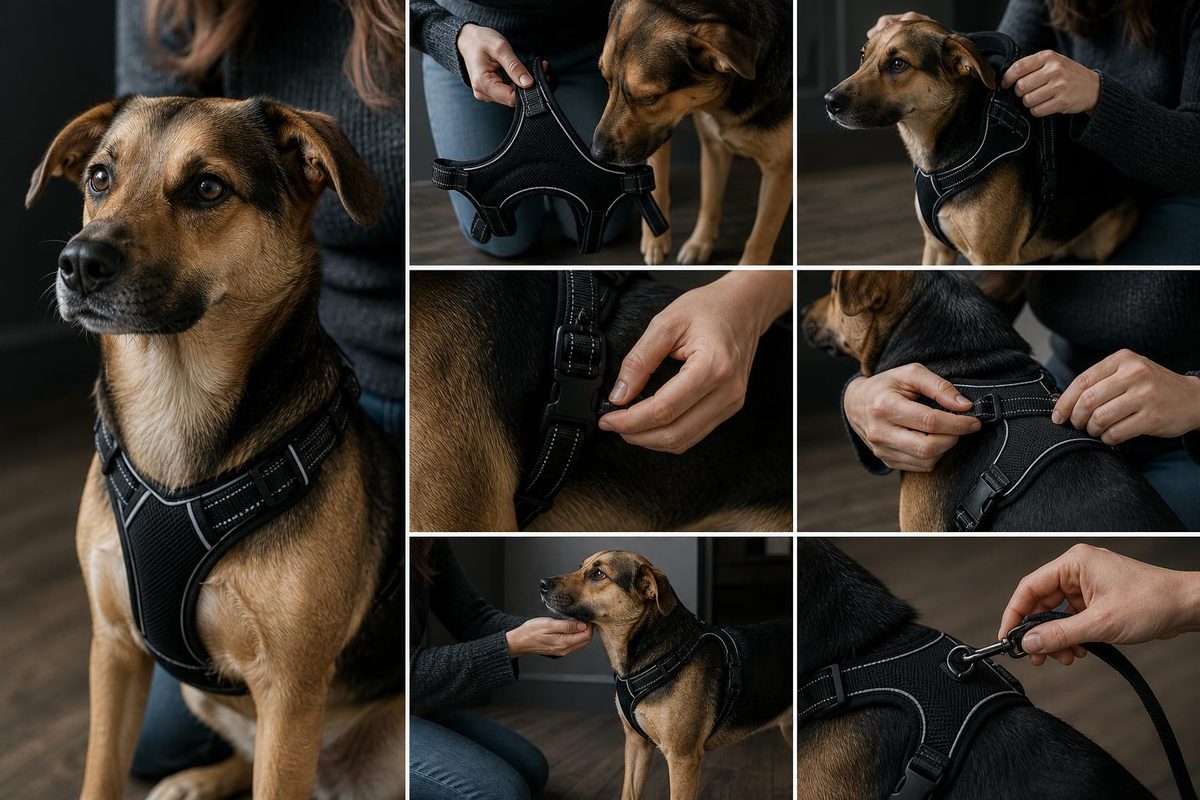
How to Put On a Dog Harness: Step-In & Over-the-Head
Identify the harness style, then loosen, position, buckle, adjust, check movement, and attach the leash before you walk.

Sullivan’s Island Dog Rules: Hours, Licenses & Leashes
See summer and winter beach access windows, visitor license requirements, fees, documents, cleanup duties and protected-area limits.

Turkish Angora Cat: Is This Breed Right for You?
Weekly combing is a practical starting point; this active, affectionate longhair also needs play, climbing space and social time, with health records to verify.

Best Senior Cat Dry Food: How to Choose
Use a label-and-manufacturer checklist to compare adequacy, calories and nutrients, then match kibble to weight, muscle, hydration and health.

Low-Allergy Cats: Breeds, Traits and Caveats
Compare Siberian, low-shedding, Rex and Sphynx candidates by allergen claims, coat traits and care needs—then test your response to the exact cat.

Dog Hip Dysplasia Symptoms: When to See a Vet
Changes may affect hind-leg movement, rising, jumping, stair use, posture or muscle mass; persistent, recurring or painful changes need a vet.

Is Pine-Sol Safe for Pets? What Safe Use Depends On
Use may be suitable on label-approved surfaces—not for direct contact or ingestion. Check the formula, dilute and rinse as directed, and exclude pets until dry.

Signs of a Cat in Heat: Behavior and Red Flags
Look for calling, restlessness, rubbing and a rear-raised posture together; blood, discharge, pain or weakness requires veterinary advice.

What Does Ringworm in a Dog Look Like? Key Signs
It may appear as a round or irregular bald patch with scale, crust, redness, and short, broken hairs—but appearance alone cannot confirm it.

Dog Cone Size Chart and Measuring Guide
Use neck circumference and collar-to-nose depth with three brand-specific charts, then check security and whether the fitted cone blocks wound access.

Can Dogs Eat Grapes? No—Call a Vet
Even one may cause kidney injury, and risk cannot be predicted. Covers immediate steps, hidden grape products, symptoms, and veterinary treatment.

How Long Do Cats Live? Average Lifespan Explained
A practical estimate is roughly 12–17 years, though some cats reach 20 or beyond. Published figures vary by population, place, period and statistical measure.

Signs Your Dog Needs to Be Neutered: What Decides
No single behavior proves it. Learn when roaming, marking, mounting or male-dog conflict suggests hormones—and when pain, fear or habit may be the cause.

Fox Red Lab Puppies: Prices and Buyer Checklist
A dated Pennsylvania snapshot shows $995–$1,800 asking prices, plus seller unknowns, health-record checks, contract terms and fit criteria.

Italian Greyhound Food: What and How Much to Feed
Choose food by life stage and health, calculate portions from calorie density, count extras, and monitor weight, ribs, and hips.

Leaving a Puppy Alone at Home: First-Time Steps
Use a tested, puppy-proofed space, meet toilet needs, start with seconds or minutes, watch for stress, and extend only after relaxed repetitions.

CVS Pet Pharmacy vs Vet Pharmacy: What Changed?
CVS now fills select pet prescriptions, but the vet handoff has not changed. Compare stock, urgency, price, and refill steps before switching.

Great Dane Coats: Sizing, Fit, Prices and Colors
Measure neck, chest and back, decode seller-specific sizes, check fit indoors, compare undated $49–$228 seller examples, and review seven natural colors.

Why Vet Bills Are Rising Faster Than Pet Food Prices
June 2026 petflation was 3.2%, but vet services rose 5.1% and pet food 1.3%. See why visit frequency determines which rate fits your budget.

Why Did My Pet Insurance Premium Go Up So Much?
Compare your pet insurance renewal with 2026 premium and profit benchmarks, audit policy changes, and decide whether to keep, modify, or switch.

High Protein Dog Food for Weight Gain: How to Choose Safely
The best high protein dog food for weight gain is not necessarily the product with the highest protein percentage. Healthy gain depends on the whole diet:…
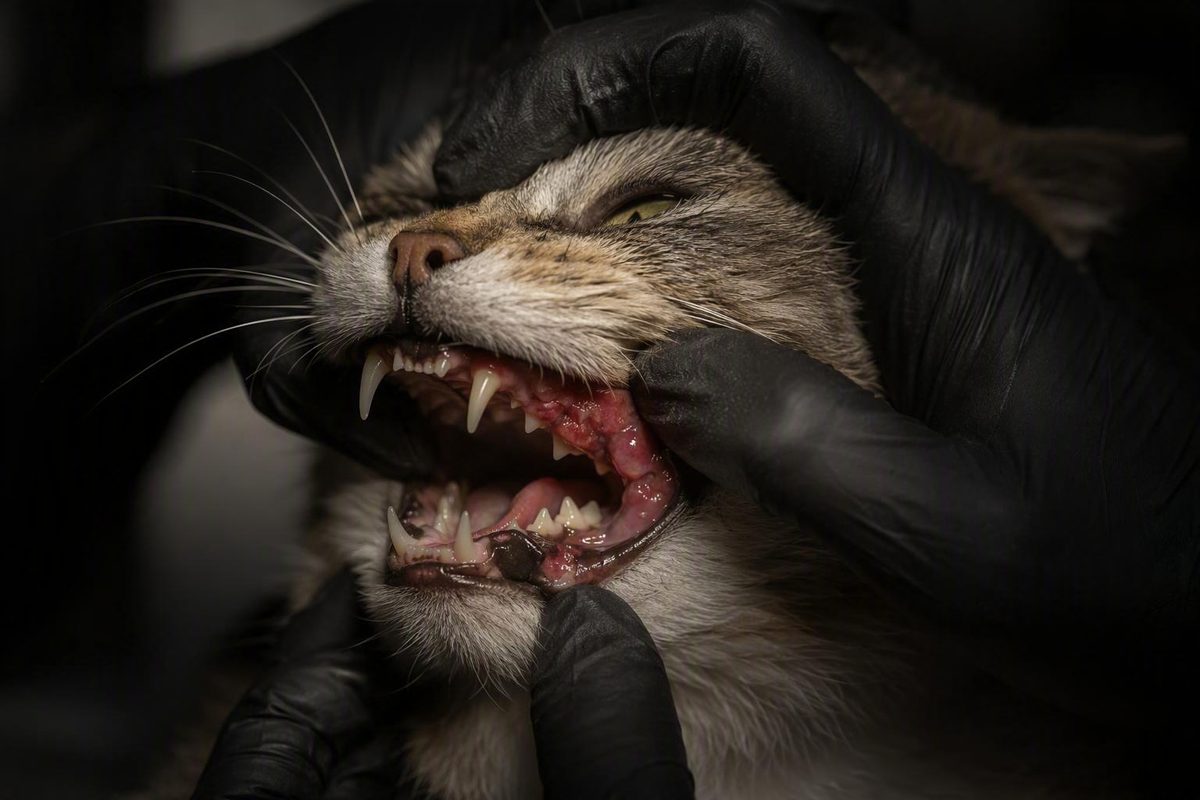
What Is Stomatitis in Cats? Signs, Treatment and When to See a Vet
This painful mouth condition can make a hungry cat stop eating.

Cat Wheezing but Acting Normal: When to Call a Vet
This guide offers general triage information, not a diagnosis. If you are unsure whether your cat is struggling to breathe, contact an emergency veterinary…
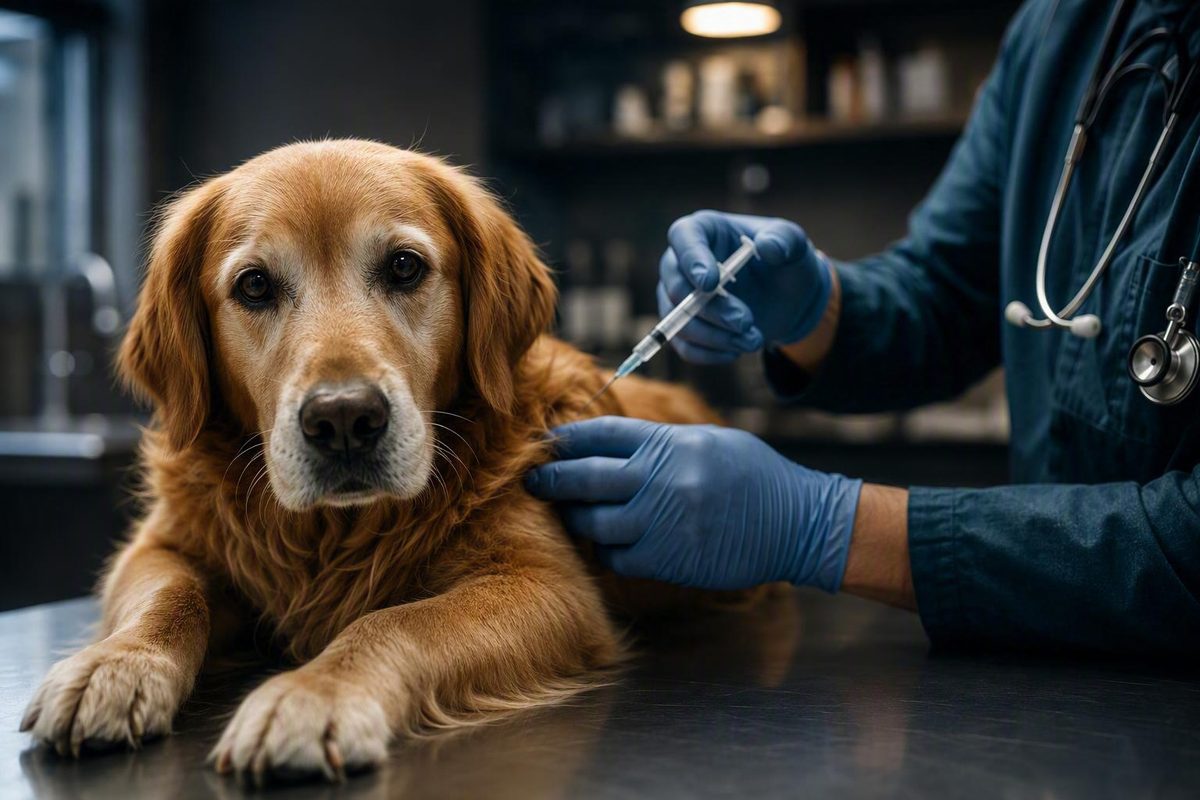
How Often Do Dogs Need Bordetella? 6 vs. 12 Months
Bordetella is not a universal vaccine with one schedule for every dog. For dogs with sustained exposure to other dogs, the American Animal Hospital Association…

Dachshund Coats: How to Choose, Measure and Check the Fit
Shopping for dachshund coats is less about finding a universal “best” jacket and more about matching one garment to one dog, one walking setup, and one set of…

Is Frankincense Safe for Dogs? Risks, Symptoms and What to Do
Frankincense essential oil is sometimes described as relatively safer for dogs than certain other essential oils. That does not make it universally safe,…

Can Indoor Cats Get Bobcat Fever? Risks and Signs
See how ticks reach indoor cats, assess household exposure, and learn which appetite, energy, gum, or breathing changes need urgent veterinary care.

Dog Ate Recalled Fromm Food? Symptoms and Next Steps
Use the UPC, lot and Best By code to check a recalled Fromm can, then see which symptoms require immediate care or a prompt veterinary call.

Tessie vs Sileo for Dogs: Uses, Timing, and Redosing
Compare Tessie and Sileo indications, dose timing, food rules, redosing limits, evidence, and safety questions to take to your veterinarian.

Are Bernedoodles Hypoallergenic? An Evidence-Based Answer
Yes, a Bernedoodle can trigger dog-allergy symptoms. Some Bernedoodles inherit low-shedding coats, but they are not truly hypoallergenic, allergy-free, or safe…

Cat Limping: When to Watch, Book a Vet, or Go Now
Written and edited by Della Ruiz. This guide provides general information, not a diagnosis or treatment plan for an individual cat. If you are unsure how…
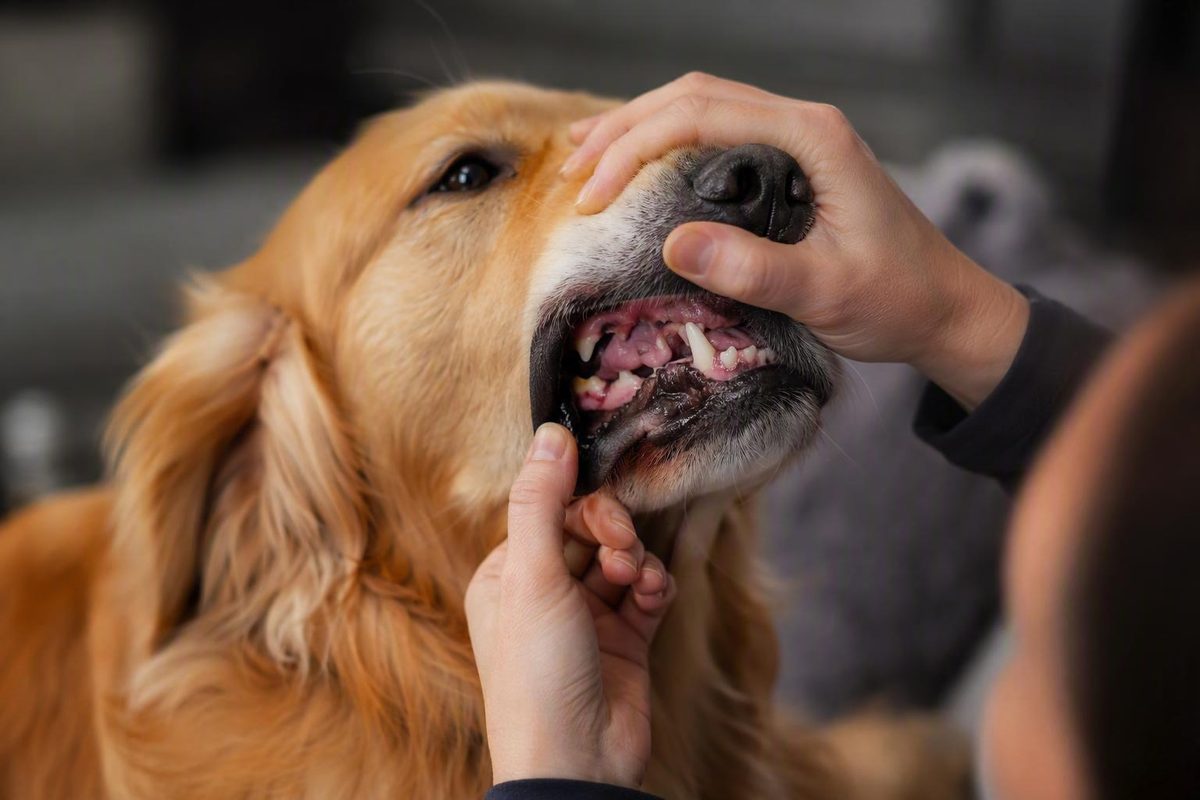
Dog Tooth Abscess Symptoms: Signs and When to See a Vet
General information only. This guide helps dog owners recognize observable warning signs and decide when to contact a veterinarian; it cannot diagnose a tooth…

How to Calm a Panting Dog Safely: Steps and Warning Signs
Panting can be a normal response to exercise, warmth, excitement, or temporary stress. It can also accompany overheating, pain, poisoning, or serious heart and…

Cat Won't Eat Canned Food? Causes, Safe Fixes & Vet Signs
When your cat won’t eat canned food, the untouched bowl is only part of the story. The first question is whether your cat is refusing that food format or…

Signs and Symptoms of Kidney Disease in Cats: Early Signs and Emergencies
What kidney trouble can look like—and how quickly to act

Cat Dental Problems: Signs, Types, and When to See a Vet
Cats often conceal oral pain. They may not cry, hold their mouth open, or stop eating—even when a dental problem is painful. Some continue eating by chewing on…

Symptoms of Late Stage Hyperthyroidism in Cats: Urgent Signs
“Late-stage hyperthyroidism” is not an official, universally standardized stage of feline disease. Owners generally use the phrase to describe hyperthyroidism…
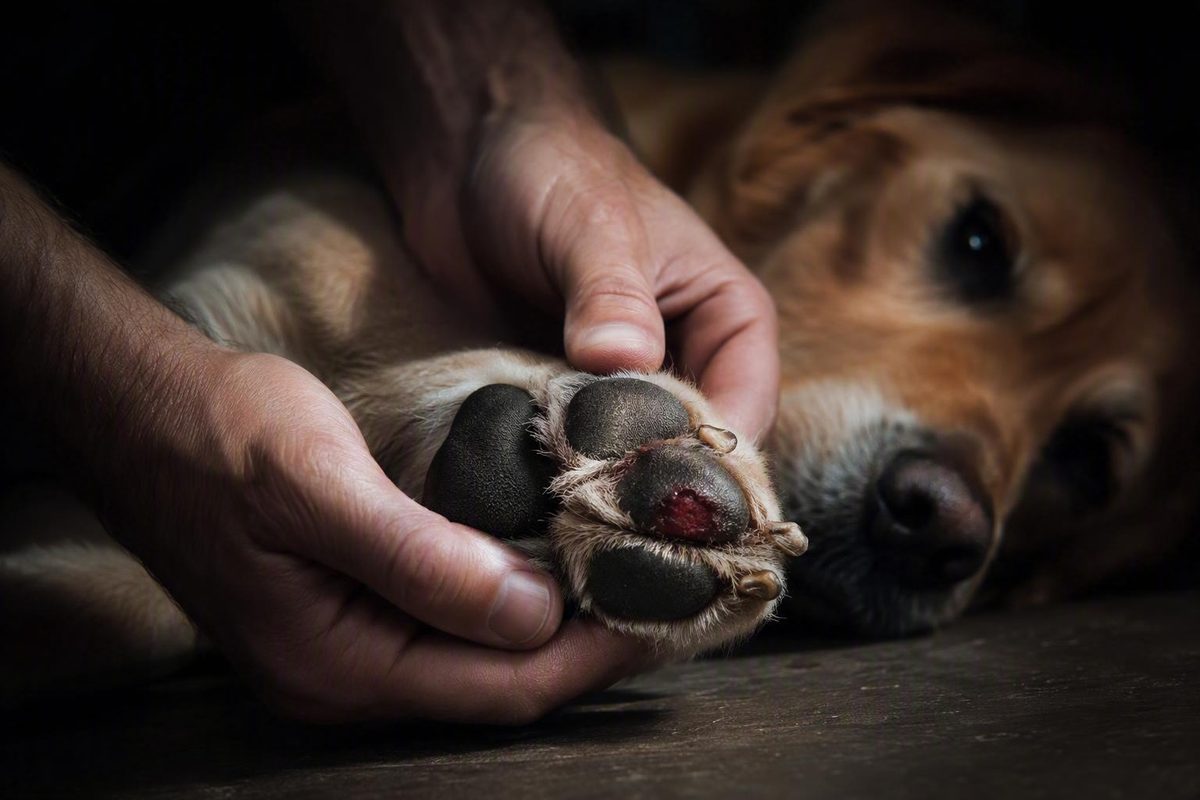
A Dog Paw Pad Cut Needs Care Based on Its Warning Signs
Visible fat or other deep tissue, gaping edges, a separated flap, marked pain, or refusal to use the leg points away from a minor surface injury.
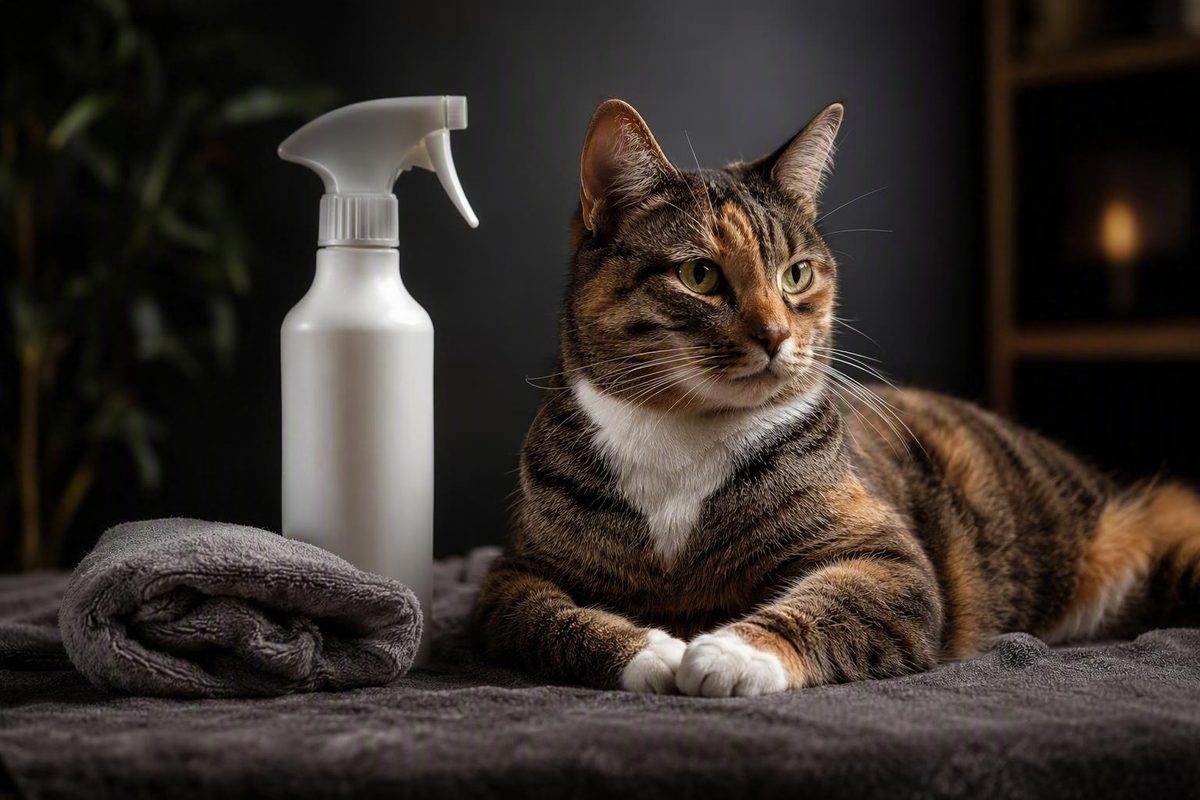
Hypochlorous Acid Safety for Cats Depends on the Label
Brief licking of residue from a suitable topical product is generally low risk, but intentional ingestion and aerosol exposure aren't established as safe.

Goldendoodle Lifespan Has No Proven Average
Use about 10-15 years as the responsible broad planning range, not as a promise of exactly how long one Goldendoodle will live.

Is Millet in Dog Food Good or Bad for Dogs?
For most healthy dogs, millet can fit a complete and balanced food. It is not universally easy or hard to digest, so assess the finished formula.

Kidney Failure Signs in Dogs Can Be Subtle or Sudden
Thirst and urination may increase early, and a dog with serious kidney dysfunction may still produce urine. Inability to pass urine means emergency care.
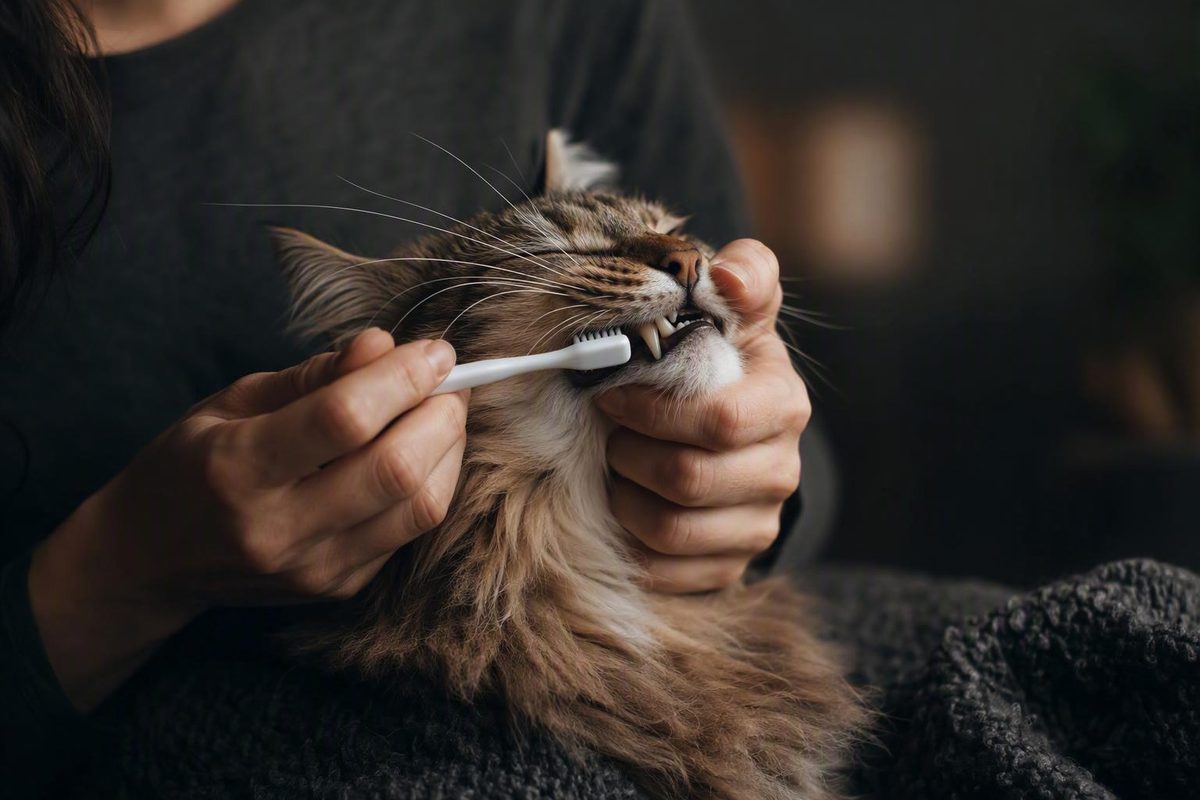
Cleaning Cats' Teeth Begins Before Brushing
Pair brief face and lip handling with something pleasant, and stop before resistance escalates. Established tartar cannot be removed safely at home.

Puppies Do Lose Teeth: What's Normal and What Isn't
Two teeth in the same spot, delayed shedding, persistent discomfort or a possible fracture call for an exam. Severe pain needs prompt vet help.

Urinary vs Intestinal Blockage in Cats: Signs Compared
A cat may still poop with a partial intestinal blockage, so one bowel movement does not rule it out. Urine and stool output show when emergency care is needed.

A Dog's Sudden Front-Leg Limp Needs 3-Level Triage
For an otherwise monitorable limp, contact a vet if there is no clear improvement within about 24 hours. Arrange an exam if it remains at 24-48.

How Much Is a Miniature Schnauzer? Prices by Route
A $700 puppy and a $4,000 puppy are not necessarily equivalent offers. Compare breeder, marketplace and rescue routes by what each quoted price includes.

Why Is My Cat Coughing So Much? Causes and Urgency
Repeated "hairball" fits with no hair may be respiratory coughs. Recurring fits need a vet. Labored breathing or blue, gray or very pale gums are emergencies.
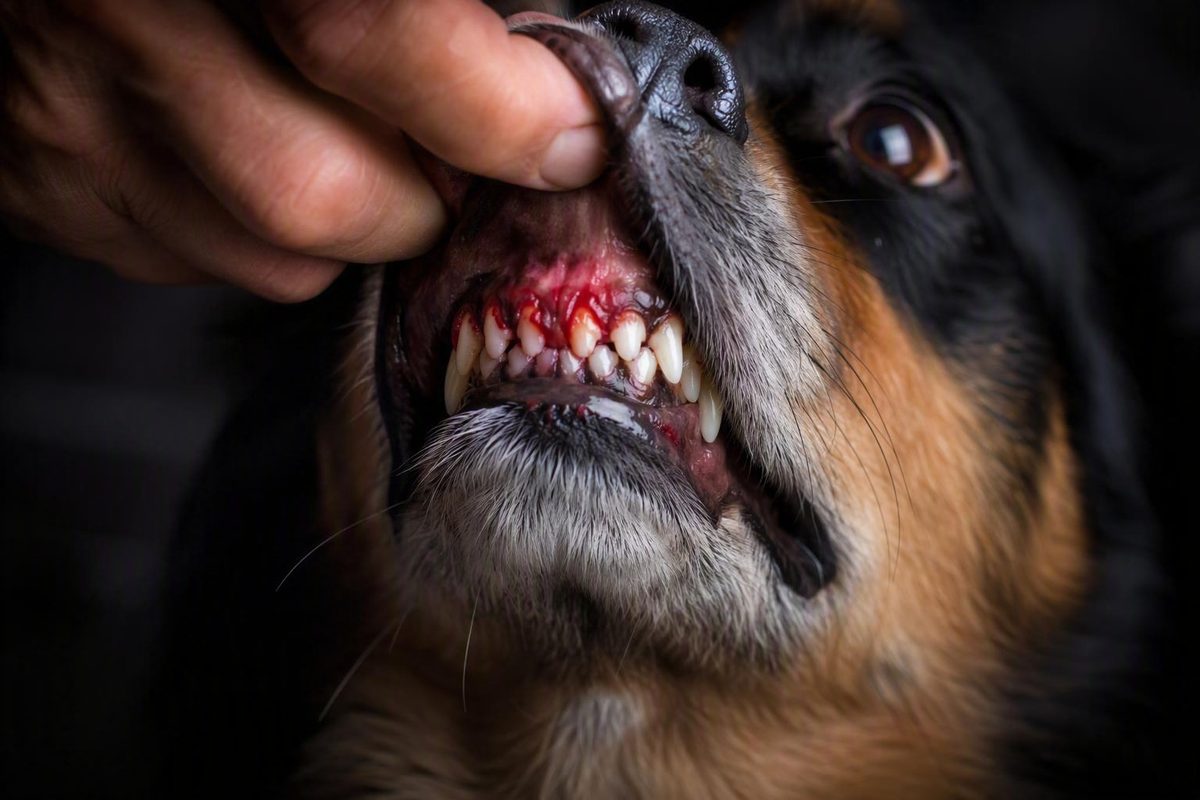
Bloody Gums in Dogs Need an Urgency Check First
For a visible, accessible minor wound in a cooperative dog, hold clean gauze or a cold compress against it with gentle pressure while seeking vet advice.

How Long Dog Grooming Takes: What Affects Timing
Many professional appointments take 1-4 hours from drop-off to completion. A salon quote may mean hands-on time or the full pickup window.
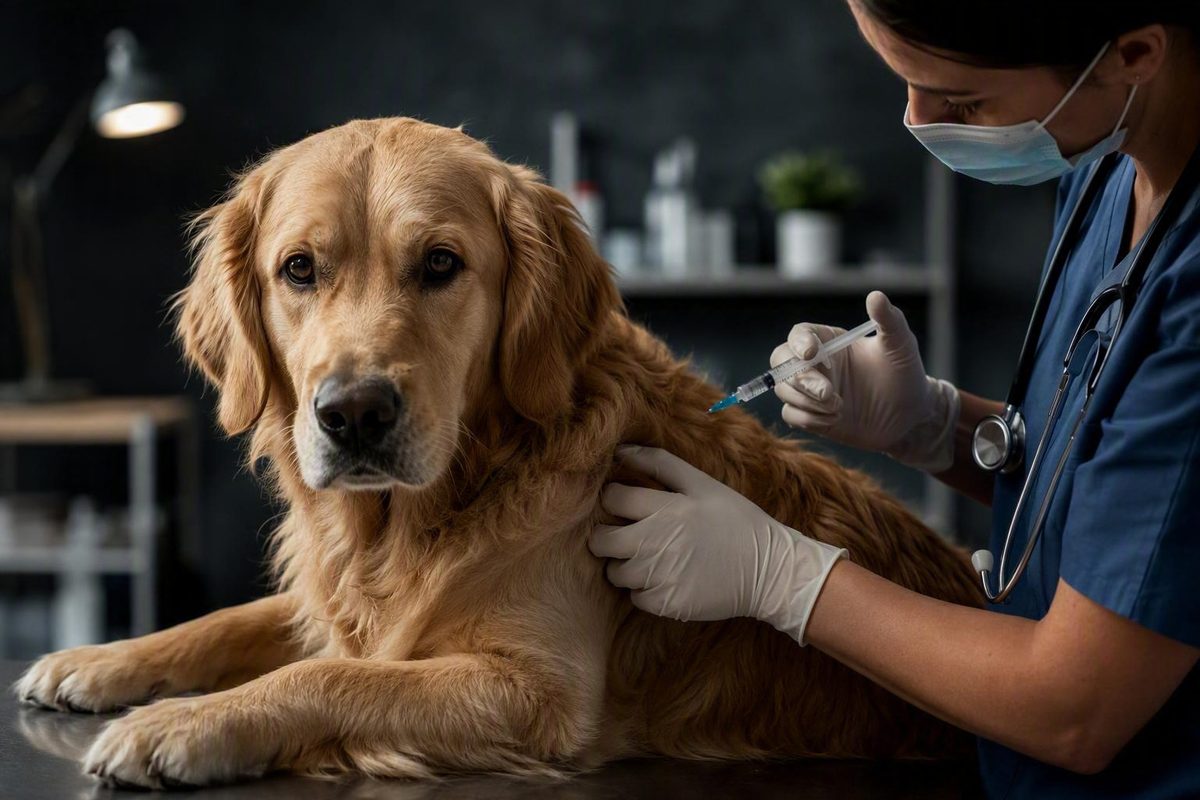
How Often Dogs Get Rabies Shots: Vaccine and Local Rules
After the first dose and a booster about a year later, dogs commonly follow a one- or three-year schedule. Confirm the due date on the rabies certificate.
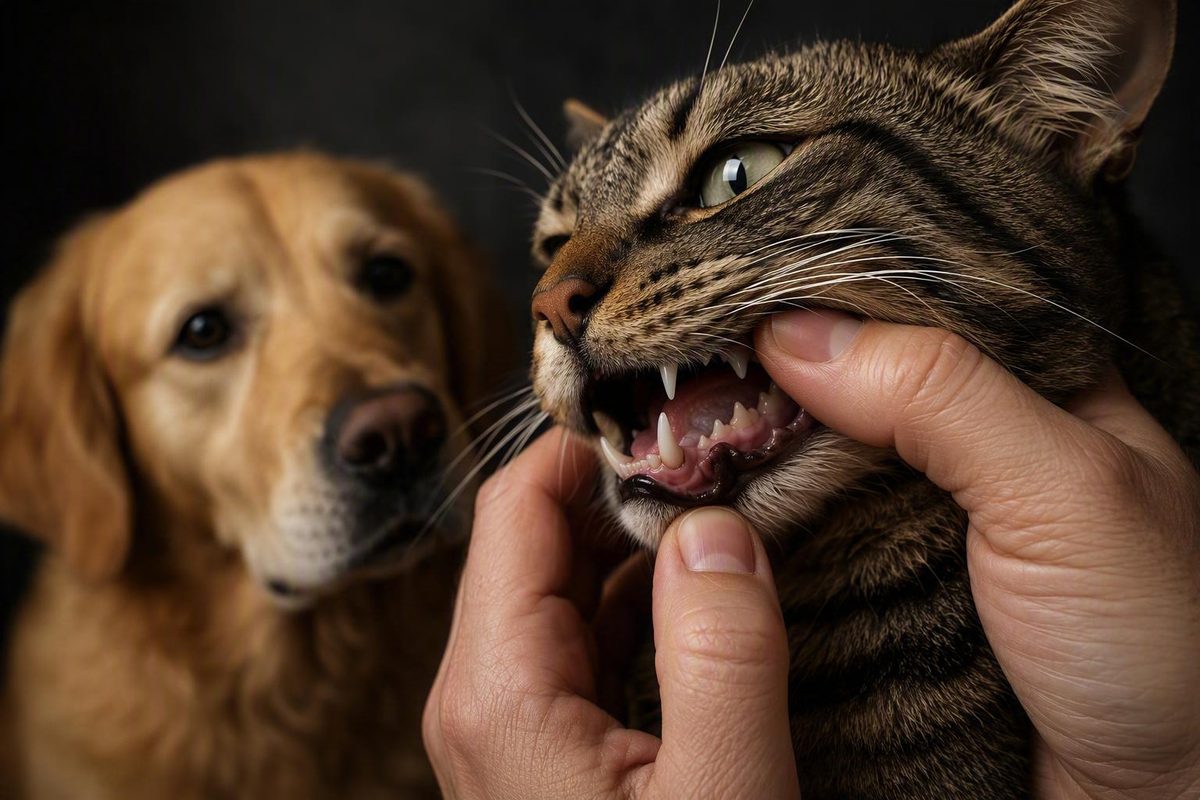
Bottom Gums Hurt for Different Reasons
Mild pain that lasts more than a few days, worsens, repeatedly returns or interferes with eating is a reason to arrange a dental appointment.

Great Pyrenees Health Problems: Risks vs. Red Flags
A swollen or tight abdomen with repeated unproductive retching may signal GDV: leave for an emergency vet immediately. Sort other signs by urgency.

What a Cat Cough Sounds Like and 4 Clues to Check
It often comes as short, forceful, dry or hoarse hacks in repeated bursts. Check posture, breathing and output to compare it with hairball retching or wheezing.
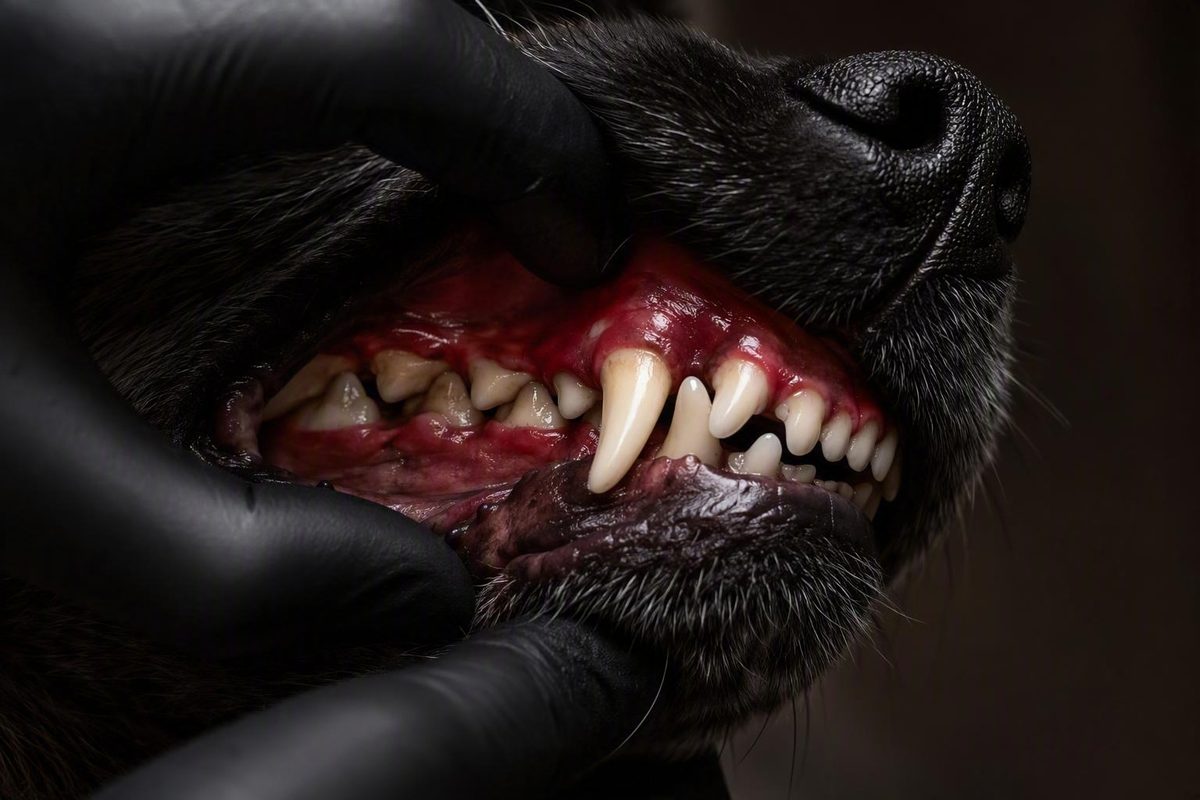
Dark Red Gums Below Teeth Need More Than Color
A new red strip along the gumline is more compatible with irritation or inflammation than a longstanding dark shade that remains stable.

Dog Dry Heaving and Coughing: When It's Urgent
The dog may cough, remain conscious, or breathe between episodes and still have an object lodged in or near the airway.
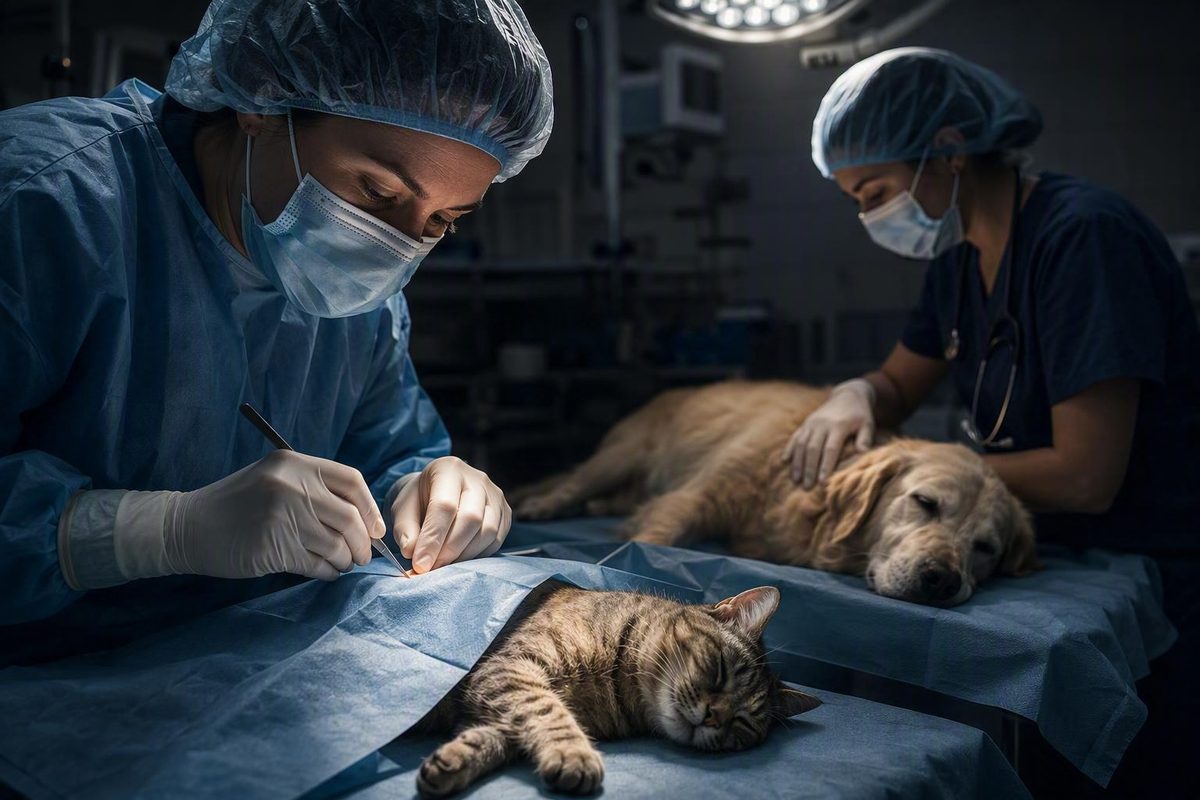
How Long a Spay Surgery Takes: Size and Health
Plan on 20 to 90 minutes for the operation, but several hours for the overall clinic visit. Healing follows a separate timeline of roughly 10 to 14 days.

Bone Broth Can Benefit Dogs, but It Isn't a Treatment
Its strongest case is practical rather than medicinal: it can make a meal wetter, more aromatic and more varied.

What to Do About Sudden One-Sided Jaw Swelling
Tongue or throat swelling, difficulty breathing or swallowing, or rapidly progressing facial or neck swelling requires emergency care. Other clues guide who to see.
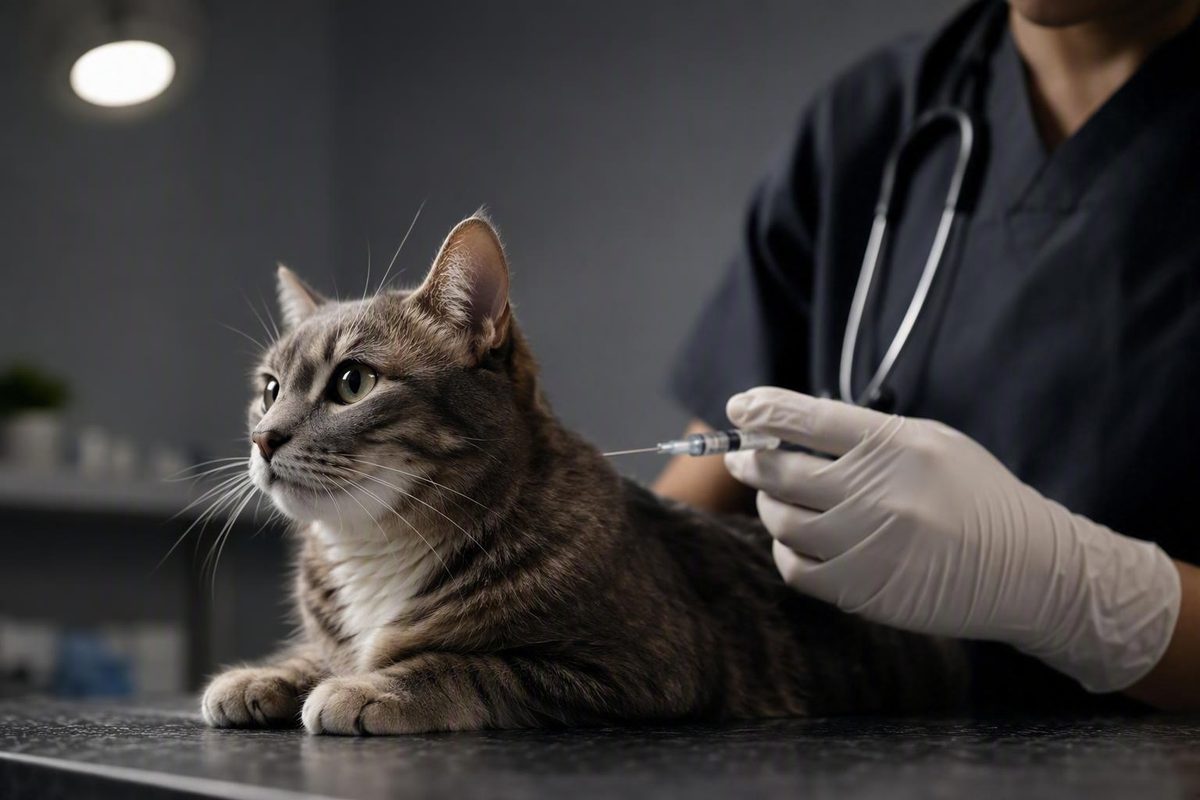
Most Cats Need Vaccines, but Not Every Vaccine
FeLV vaccination is commonly recommended for kittens, including those expected to remain indoors, because their future exposure may not yet be predictable.

Symptoms After a Dog Eats Chocolate Can Be Delayed
After known or suspected chocolate exposure, contact a veterinarian, emergency hospital or animal poison-control service immediately, even if your dog seems normal.

Long-Haired Akitas Are Still Akitas
The fluffy coat is not a temperament test. Evidence does not show Woolies are gentler, friendlier, more submissive or easier to train.

3 Cat Constipation Action Levels: Home, Vet or ER
Uncertain urine output calls for immediate care, not prolonged observation. Vet assessment and treatment options show what may happen next.

Cat Reverse Sneezing Is a Pattern, Not a Diagnosis
One brief suspected episode followed by prompt, complete recovery may be monitored cautiously; uncertainty, recurrence or worsening justify veterinary advice.
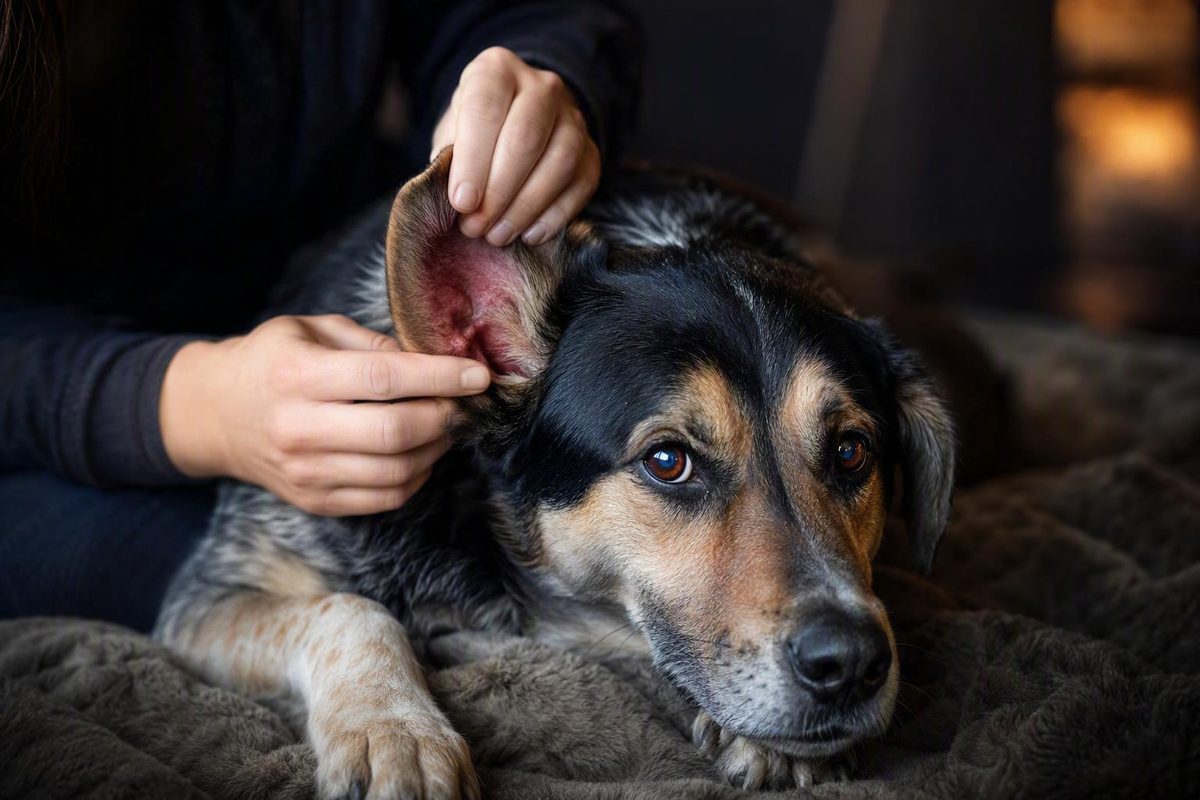
How Can You Tell If Your Dog Has an Ear Infection?
Repeated signs can signal an ear problem, but they cannot confirm infection or its cause at home. Head tilt with balance loss needs urgent assessment.
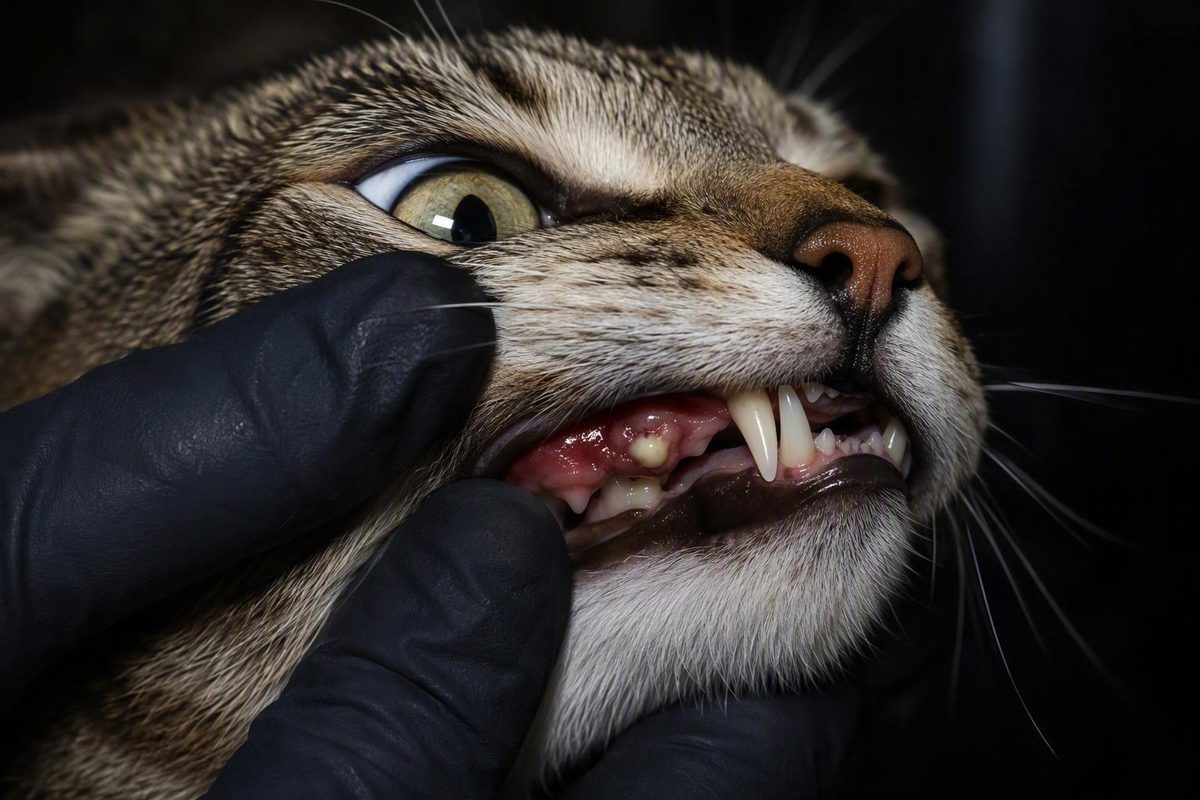
What a Cat Gum Abscess Looks Like and What to Do
Even if your cat still eats or the lump bursts and shrinks, the diseased tooth and infection beneath the gumline may remain despite the apparent improvement.

What a Cat Spay Incision Should Look Like After 1 Week
Closed edges, a dry surface and fading pinkness are reassuring. Even a tiny gap needs a vet call. So does lethargy or appetite loss despite closed skin.

What Signs Show Your Cat Is Dying of Kidney Failure?
Sudden vomiting, weakness, altered urination, disorientation, seizures, or collapse may be an emergency, not proof of inevitable death.
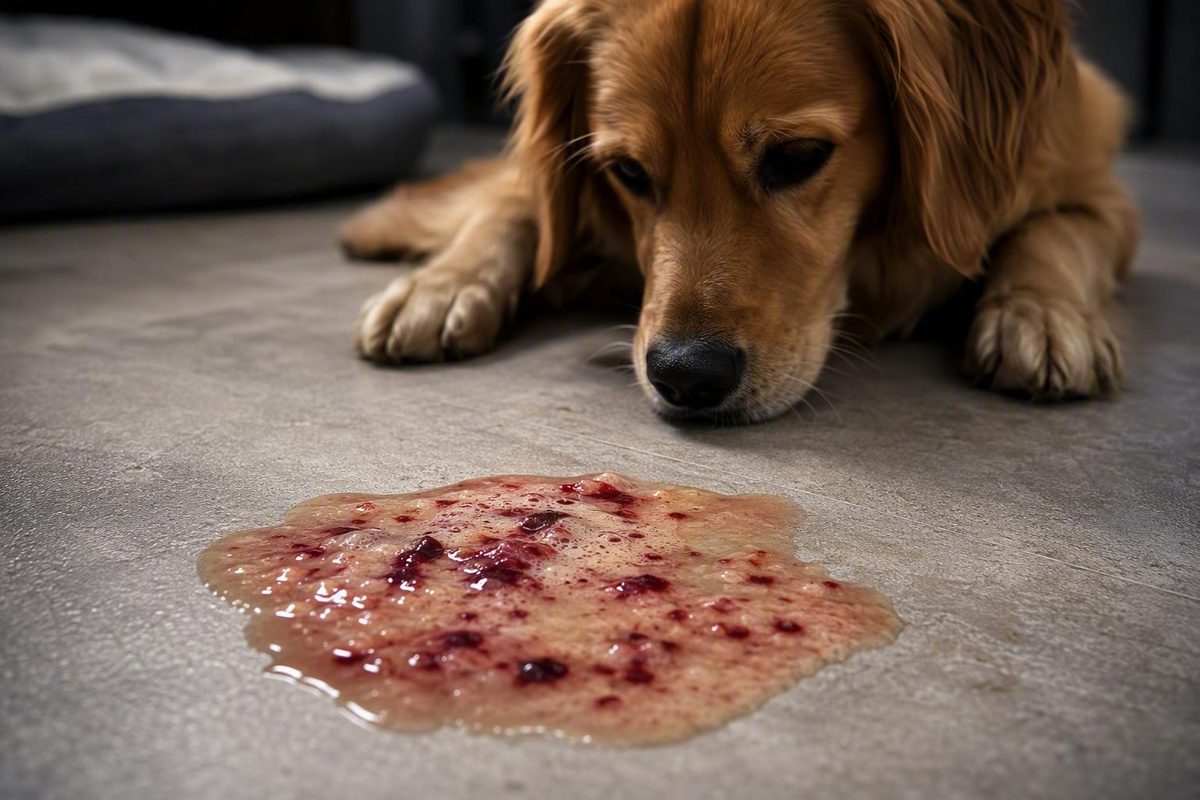
Blood in Dog Vomit: What It Looks Like
Look for faint pink staining, pink-tinted foam or tiny red specks, as well as red streaks or dark granules. Even one small streak warrants a veterinary call.
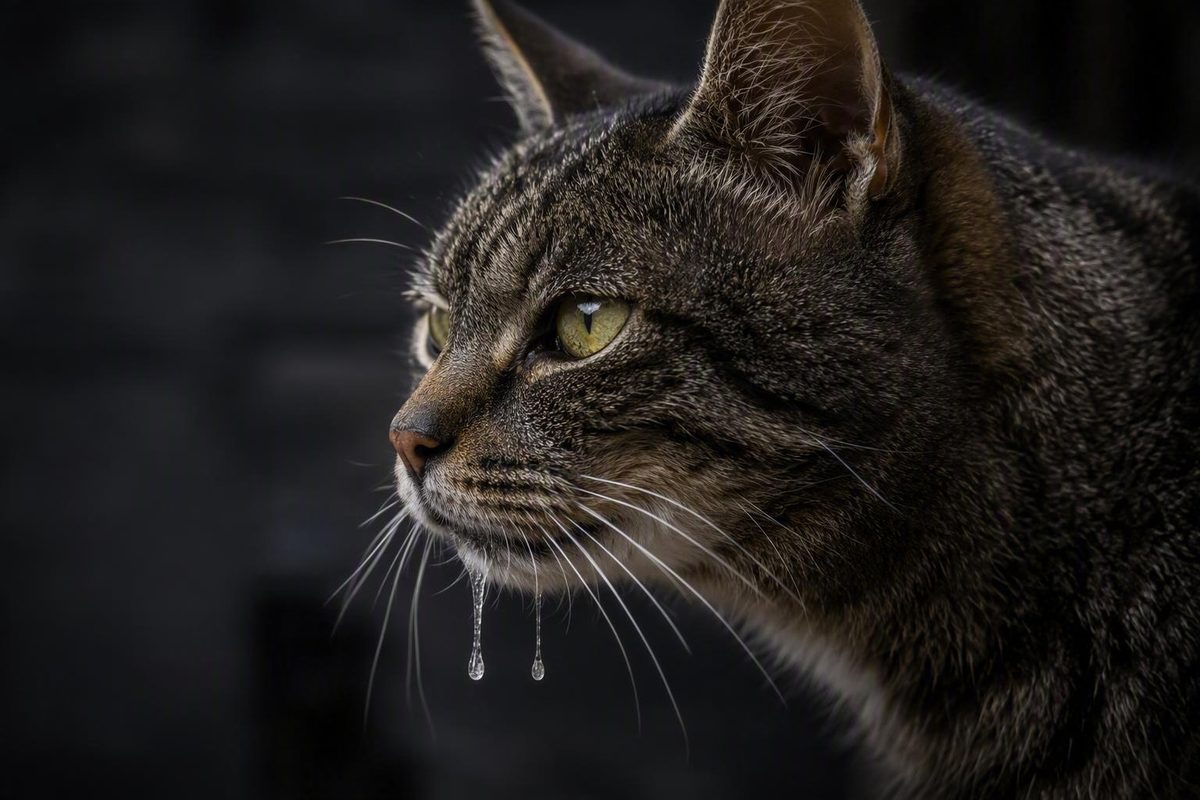
A Cat Salivating Excessively Needs Triage
Call a vet promptly for new, sudden, heavy, continuous, recurrent or unexplained drooling, even if your cat initially appears otherwise normal.

How Long Does a Spay Take to Heal? Skin vs. Deep Tissue
The visible incision is often mostly healed by 10-14 days, but deeper abdominal tissues may continue healing and strengthening for several more weeks.

Why Does a Dog Get Diarrhea? Causes and When to Act
Watery diarrhea can still pass around an intestinal blockage. Use the dog's behavior, recent exposures and warning signs to decide how urgently to act.

Why Is My Cat Vomiting So Much? Causes and Urgency
Suspected toxin exposure can make one episode more urgent than several widely spaced episodes. Weakness or inability to retain water matters more than count.

What Does Your 8-Week-Old Labrador Puppy Need?
Skip the minute-by-minute timetable. A useful day repeats wake, toilet, a measured meal or food-based training, toilet, brief play and quiet rest.

Cat Spay Aftercare Follows Her Healing, Not Her Energy
Follow your clinic's directions and limit absences until she is awake, stable, breathing comfortably, safely confined and unable to reach the incision.
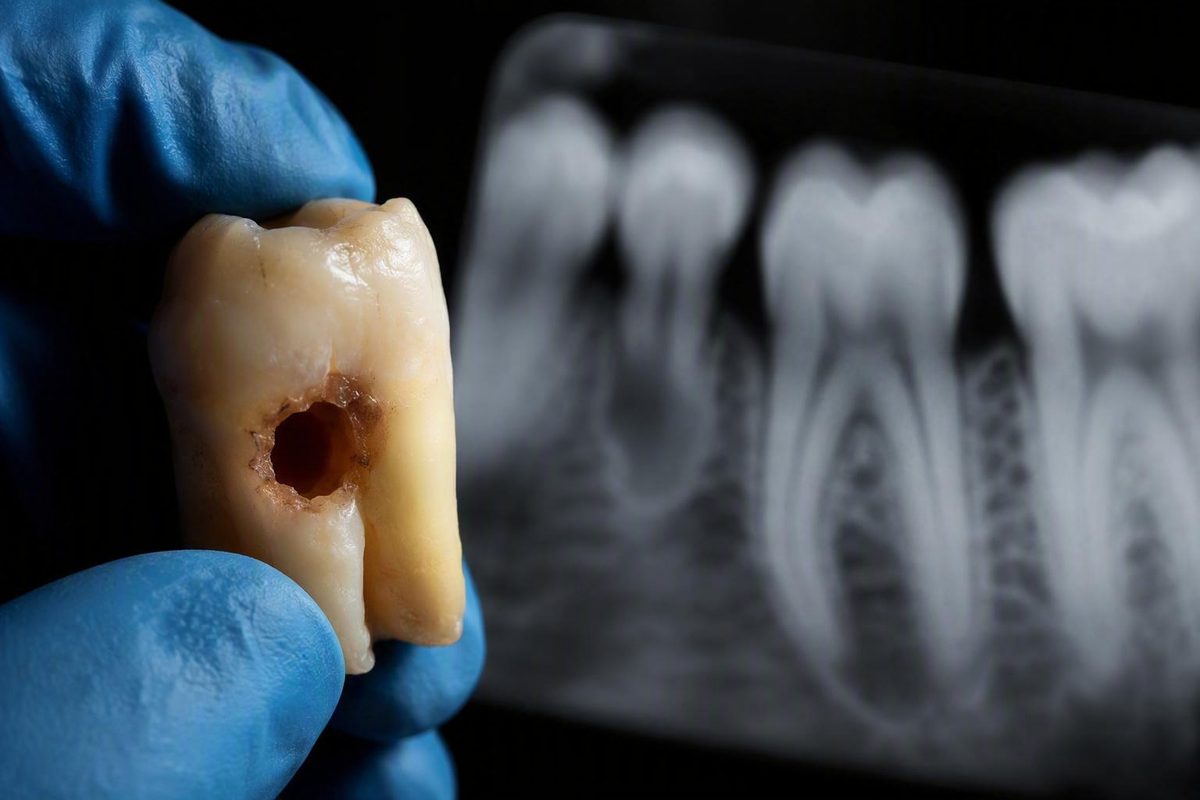
Internal Tooth Resorption: When Can a Tooth Be Saved?
Perforation makes prognosis less certain, but selected lesions may be sealed with calcium-silicate materials or managed through surgical or combined treatment.

What Color Should a Dog's Gums Be?
Healthy gums are usually pink, moist and smooth, while stable dark pigmentation can be normal. New pale, white, blue-gray or purple tissue calls for emergency care.

Dog Torn ACL Symptoms That Overlap Other Conditions
A rear-leg limp with toe-touching, side-sitting, reduced mobility, pain or swelling warrants veterinary attention, even if your dog still walks.

Manage Feline Spay Recovery From First Night to Healing
Close supervision is ideal the first night, when anesthesia-related sleepiness, nausea, wobbliness or altered behavior may still be evident.

Know the Signs of Urinary Blockage in Cats and When to Go
A cat may produce only a few drops with a partial or complete obstruction. Owners often cannot distinguish obstruction from cystitis by watching the cat.
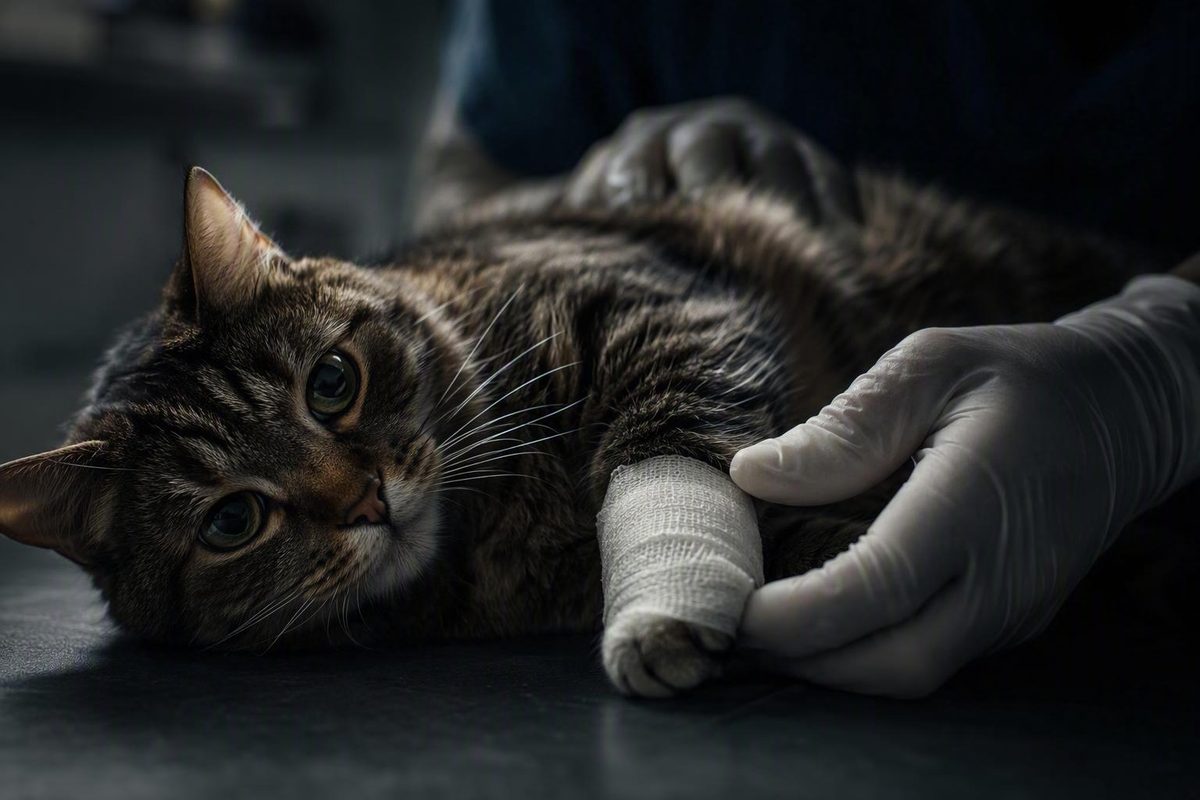
Cat Broken Paw: Emergency Care vs Prompt Vet Visit
Restrict movement and arrange prompt veterinary assessment. Exposed bone, an open wound, severe deformity or heavy bleeding means emergency care.

A Healing Cat Spay Incision Stays Closed and Gets Drier
Monitor mild findings that improve and call the clinic for deterioration or uncertainty. A fully open incision or exposed tissue is an emergency.
Cat Lymphoma Look-Alikes Vary by Location
IBD is the clearest documented look-alike for small-cell or low-grade gastrointestinal lymphoma. Elsewhere, alternatives and sampling depend on the organ.

Why Your Cat Is Drooling: Causes and Warning Signs
Any of these makes drooling a go-now issue: suspected poisoning, breathing or swallowing difficulty, collapse, facial swelling, or repeated gagging.

Apple Seeds Can Be Toxic to Dogs: Chewed vs. Intact
No reliable universal toxic seed count exists. If an otherwise normal dog swallowed one or a few seeds that appeared intact, serious poisoning is unlikely.

Cat Spay Aftercare Continues After Her Energy Returns
There is no universal number of unattended hours. If she is groggy, unsteady, distressed by protective wear or likely to jump, she needs close observation.

Why Is My Cat Barfing So Much? Causes by Pattern
If water stays down but vomiting recurs, contact a vet promptly. Repeated vomiting when your cat cannot keep water down is a veterinary emergency.

8 First-Week Priorities for an 8-Week-Old Lab Puppy
Many may need one or more overnight toilet trips. A flexible wake-toilet-meal-sleep cycle shows what to do next and when a health change needs a vet.

The Pattern Matters When Your Cat Keeps Puking Up Food
Another episode, worsening, inability to retain food or water, or any additional symptom ends the watch-at-home window and warrants contacting a veterinarian.

Spay vs. Neuter: Sex and Surgical Differences
Females are usually spayed and males neutered, but "neuter" can technically apply to either sex. The operations differ in organs, incisions and recovery.

7 Labrador Retriever Training Techniques for Daily Life
Use one repeatable pattern: start with low distractions, mark and reward the right moment, then increase one challenge at a time.

Compare Dog Breeds by Your Household Needs
Turn broad preferences into a shortlist compared on identical fields, checked for health screening and local constraints, then tested against the individual dog.

The Alaskan Malamute Is Affectionate but Demanding
They suit active owners experienced with strong-willed dogs who can provide daily exercise, training, grooming and secure containment, and handle heavy shedding.

Devon Rex Cats Fit Best in Active, Involved Homes
Pre-adoption exposure is the responsible decision aid for allergy concerns. Alone time, grooming conflicts and breeder screening records also shape fit.

Frenchie Training Fundamentals as Your Dog Progresses
Let readiness, not the calendar, set your Frenchie's pace, with breathing, heat and calorie considerations built into every training session.

How to Stop Dogs Eating Poop: Home Remedies by Source
Supervise every potty break, call and reward your dog after they finish, then clean up. An additive only affects the stool of the animal that eats it.

A Puppy Throwing Up White Foam Needs Triage
One isolated episode may be monitored only if your puppy quickly returns to normal and keeps water down. Repeated dry-heaving or a swollen abdomen means go now.

Russian Blue Cat: Pedigree and Home Fit
Grey coat alone cannot establish the breed; registered ancestry is the dividing line. Routine, appetite and allergy variability shape household fit.

Why Your Cat Is Throwing Up So Much: Causes by Pattern
Book a vet exam even if your cat acts normal afterward. Blood, weakness, inability to keep water down or possible toxin exposure mean urgent care.

Why Is My Dog Throwing Up Blood? Causes and Urgency
Contact a veterinarian promptly whenever you suspect blood in your dog's vomit, even if you saw one small streak and your dog now seems normal.

Is Anal Gland Smell in Dogs Normal or a Problem?
A one-off fishy smell after defecation, excitement, fear or stress may be an isolated release if your dog stays comfortable and symptom-free.

Are Money Plants Toxic to Cats? It Varies by Species
Possible pothos or jade exposure, substantial drooling, mouth pain, ongoing gastrointestinal signs or appetite loss warrants prompt professional advice.

A Cat That Keeps Throwing Up Food Needs a Vet Check
No fixed count applies to every cat. Repeated vomiting over a short period, refusal of food or water, or obvious distress warrants prompt veterinary advice.

Cat Open-Mouth Breathing: When to Act
The watch-at-home case is narrow: one brief episode after an unmistakable trigger, full recovery and no distress signs.

What Urinary Blockage Symptoms Look Like in Cats
Repeated straining with only drops, or no confirmed normal urine, may signal an obstruction and requires immediate emergency veterinary care.

Internal Resorption Removes Dentin, Often Silently
A contained, restorable lesion may be treated with root canal therapy, while perforation and major structural loss make preservation more complex.

My Dog Is Limping: Home Monitoring vs Vet Care
Putting some weight on the leg can lower urgency in a mild case, but it does not rule out a fracture, ligament injury or joint problem.

Why Dogs Lick Their Paws and When to Call a Vet
A brief bout can matter if the paw bleeds or the dog cannot bear weight. An occasional lick may be harmless if the dog is comfortable and the paw remains normal.

Mammal Heart Rate and Lifespan Track Body Mass
A toy breed's heart runs quicker than a giant breed's, yet the smaller dog tends to live several years longer. Compare sortable data for 19 animals.

Average Dog Neuter Cost by Weight and Clinic Type
A 2025 industry study puts the national average at $487. Published fees span $65–$340 at nonprofit or municipal clinics and $229–$399 at a private clinic.

Cat Breathing Fast: Rate vs Effort, and When to Go
Even at 28 breaths per minute, open-mouth breathing or forceful abdominal effort means emergency care. Otherwise: watch, call or go now.

What Excess Saliva in Your Cat Means
Familiar, brief drooling tied to a trigger may be watched. Breathing or swallowing trouble, possible poisoning or a swallowed object means get help now.

Dachshund Size Chart, but Standards Differ
FCI sizes by chest circumference only; AKC and DCA size by weight only; no primary standard gives an absolute height.

5 Common German Shepherd Types: Lines, Not Breeds
Line labels provide context about ancestry and breeding priorities, but cannot guarantee how an individual dog will look, behave, work or fit a household.

5 German Shepherd Types: What the Labels Mean
Five recurring labels sit within two broad categories, show and working, but this comparison framework is not established by an official registry.

Know What to Do for a Dog Ear Flap Hematoma
Do not puncture or squeeze the swelling. Contact a veterinarian promptly. Rapid growth, severe pain, active bleeding or trauma mean care should be escalated.

Dog Eating Grass and Vomiting: Home or Vet?
A swollen abdomen, repeated attempts to vomit without producing anything, collapse, blood in the vomit, severe pain or breathing difficulty require urgent care.

Mini Goldendoodle Size Varies Across Breeder Systems
In the association framework, Mini size is over 14 to under 17 inches at the withers and typically 26-35 pounds, a reference rather than a promise.

6 Types of Poisoning Signs in Dogs and When to Act
A symptom-free dog may still be at risk, so call when a credible exposure is discovered rather than waiting for illness to become obvious.

What Causes Heavy Breathing While a Dog Is Resting?
Even 26 breaths per minute can mean danger if each breath requires forceful abdominal movement or your dog must extend its neck to breathe.

Dog Panting While Resting: Causes and What to Do
Unexplained or recurring panting at rest deserves veterinary discussion, even if your dog appears stable between episodes.

What Are Arctic Husky Dogs? Types & Care
The label can mean a pure northern breed, a northern mix or a husky-type working dog. Compare coat care, exercise needs and vet warning signs.

Can Cats Eat Coconut Oil? Health Risks Can Rule It Out
A prescription diet, weight loss, recurrent vomiting or easily upset digestion make a cat a poor candidate for a casual coconut oil trial.

French Bulldogs Suit Apartments With a Steady Routine
For anyone needing an easy dog that can be left alone all day in a stuffy apartment, a Frenchie is probably not the right breed for that routine.

How Long Dogs Take to Digest Food: Size, Age, Diet
Stool linked to a meal may not appear until the next day and can be later in some dogs. Processing and full gut transit use different clocks.

Frequency Matters When Your Cat Throws Up but Seems Fine
If vomiting has shifted from once in a blue moon to every few weeks, that change alone is worth bringing up with your vet.

Sudden Dog Lumps Under the Skin: When They're Urgent
Several new bumps with itching, facial swelling, lethargy, poor appetite or illness warrant a same-day vet call rather than prolonged monitoring.

Why Dogs Sleep With Their Bum Facing You: What Shapes It
Usually, it is simply the comfortable angle your dog chose. Scooting, poor appetite, low energy or breathing trouble are what change the picture.

Why Your Cat Sneezes So Much: Common Causes
Book a vet if sneezing lasts more than a few days, keeps returning, or comes with colored or bloody discharge, poor appetite or lethargy.

Why Is My Dog Drinking So Much Water? Brief vs Persistent
Heat or activity may explain thirst that settles after rest. If it returns or remains on ordinary days, book a vet visit rather than keep monitoring.

Why Is My Dog Breathing Fast? Causes and When to Act
A rate under about 30 breaths per minute at true rest or asleep is often reassuring. Repeated rates above that deserve attention if new or rising.